
Choosing the wrong board often leads to a frustrating session where you spend more time fighting the ocean than riding it, leaving you sinking or sliding out of control. The technical jargon surrounding cores, stringers, and rails can be overwhelming, causing many riders to invest in gear that actually limits their potential. You might be wondering why some surfers catch every wave while others struggle just to hold a line. This guide breaks down every component of bodyboard anatomy and performance to ensure you select the exact equipment for your skill level.
1. What are the essential parts of a bodyboard anatomy?
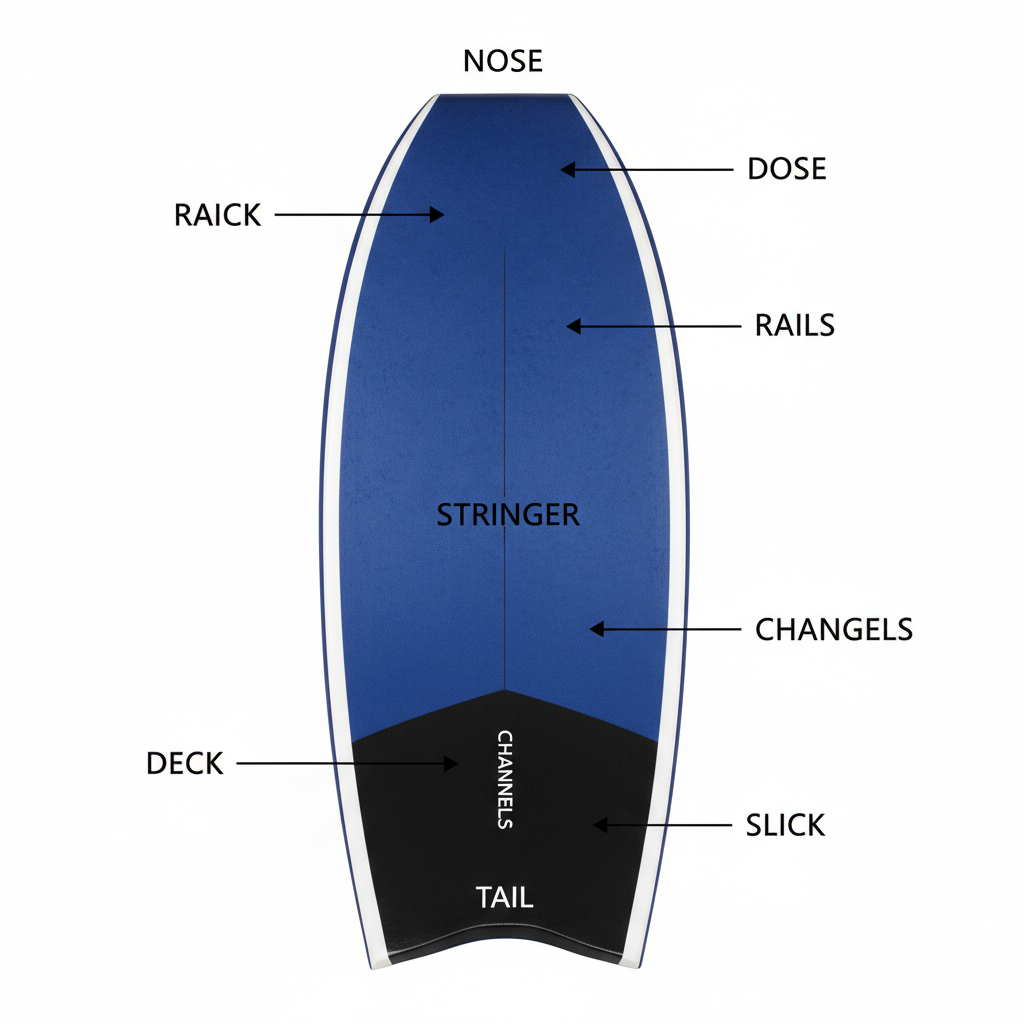
The anatomy of a bodyboard consists of the core (interior foam), deck (top skin), slick (bottom skin), rails (edges), and internal strengtheners like stringers or mesh. Each component plays a specific role in how the bodyboard floats, flexes, and drives through the water. The integration of these layers determines the vehicle’s longevity and performance output.
Here is the breakdown.
- Core: The engine determining buoyancy and flex.
- Deck: Provides grip and rider comfort.
- Slick: The speed generator on the bottom.
- Channels: Water flow management systems.
Key Takeaway
Understanding the anatomy is the first step to high performance; the sum of these parts dictates how the board handles energy.
| Component | Function | Primary Material |
|---|---|---|
| Core | Buoyancy & Flex | PP, PE, or EPS Foam |
| Slick | Speed & Projection | Surlyn or HDPE |
| Stringer | Strength & Recoil | Carbon or Fiberglass |
The interaction between a stiff core and a soft deck creates the necessary tension for high-performance riding.
2. Which bodyboard core material is right for your needs?
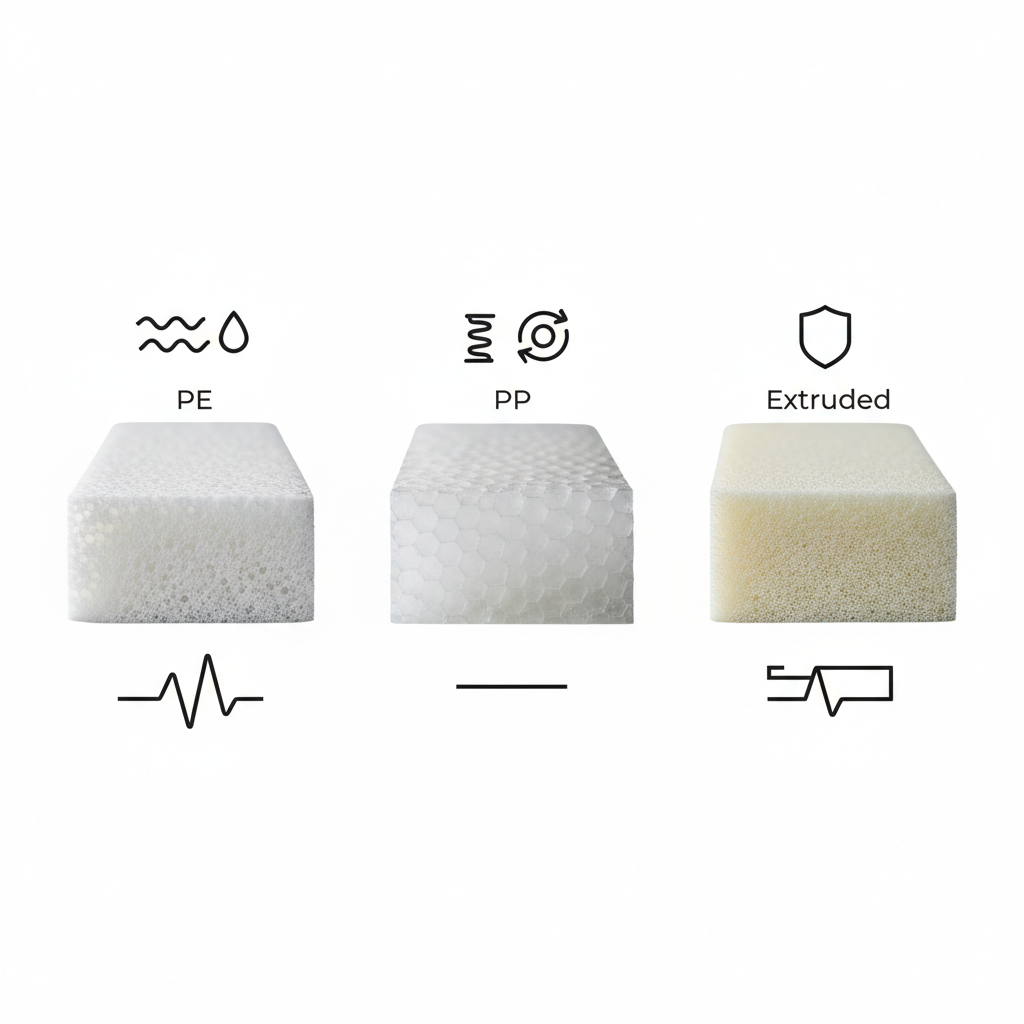
The core material dictates the lifespan, weight, and flex of your board, with the primary options being EPS (Expanded Polystyrene), PE (Polyethylene), and PP (Polypropylene). EPS is lightweight and stiff for beginners, PE offers excellent control in cooler water, and PP provides high-performance rigidity for reviews of speed in warm water.
But here is the catch.
- EPS: Affordable and stiff but lacks dynamic recoil.
- PE: Heavier with more flex, standard for control.
- PP (Polypro): Waterproof, lightweight, and snaps back instantly.
Key Takeaway
Match your core material to your water temperature; cold water needs flexible PE, while warm water needs rigid PP.
| Core Type | Water Temp | Durability | Best For |
|---|---|---|---|
| EPS | All | Moderate | Entry Level |
| PE | < 68°F (Cold) | High | Control/Hollow |
| PP | > 75°F (Warm) | Very High | Speed/Aerials |
Polypropylene cores are generally superior for longevity as they do not absorb water, maintaining their buoyancy over years of use.
3. How does the tail shape affect bodyboard performance?
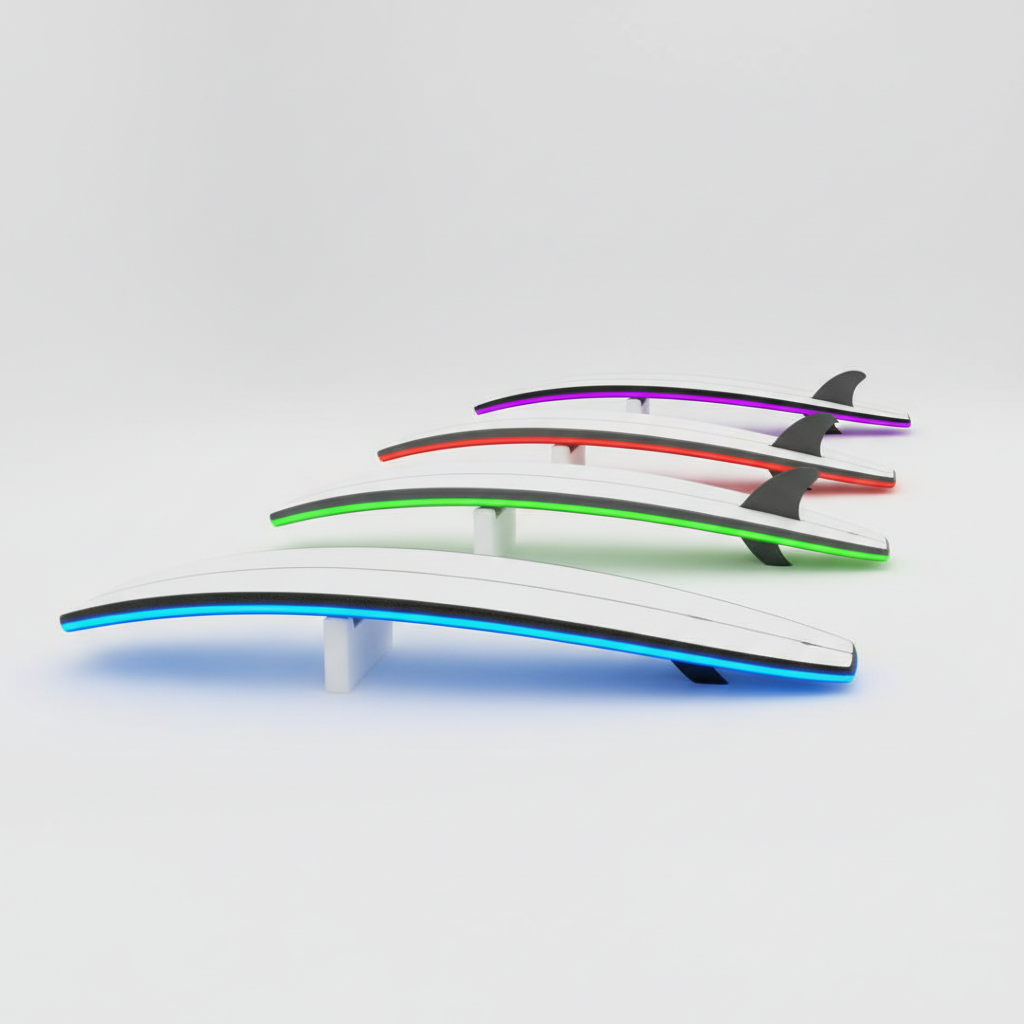
Tail shape controls how water releases from the back of the board, directly influencing stability and maneuverability in critical sections. The two main designs are the Crescent Tail, which offers grip and control, and the Bat Tail, which provides speed and lift for modern bodyboard maneuvers.
You might be wondering.
- Crescent Tail: Grips the wave face, ideal for barrels and dropknee.
- Bat Tail: Increases surface area for lift, loose for spins.
Key Takeaway
Choose a crescent tail for hold in steep barrels; choose a bat tail for speed in smaller, weaker surf.
| Tail Shape | Grip | Speed | Maneuverability |
|---|---|---|---|
| Crescent | High | Moderate | Predictable |
| Bat | Low | High | Loose/Fluid |
The bat tail adds volume to the rear of the board, keeping the rider planing higher on the water surface in mushy conditions.
4. What size bodyboard should I choose for my height?
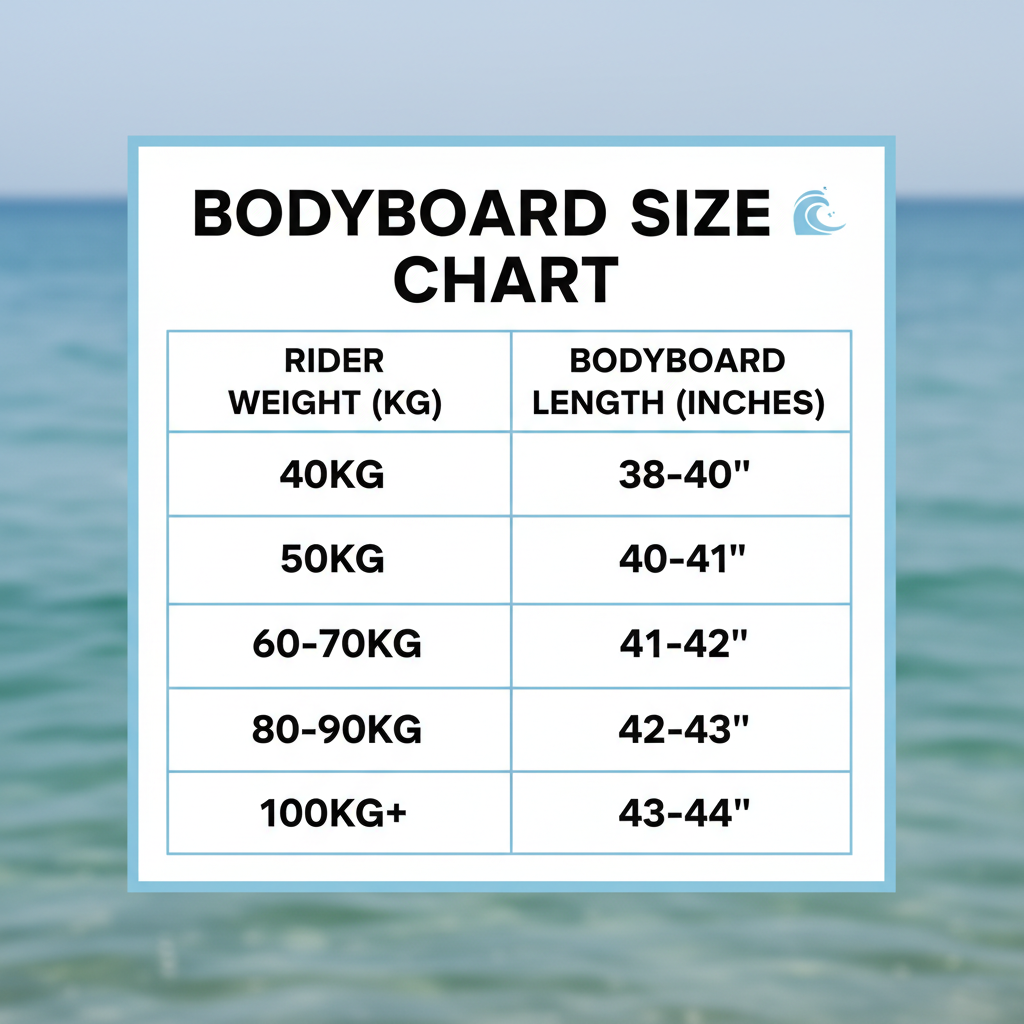
Your bodyboard should generally reach the area between your navel and knees when stood upright, but weight is the most critical factor. A board that is too small lacks flotation, causing drag, while a board that is too large becomes difficult to paddle and control, as seen in many pro bodyboards.
Here is the secret.
- Weight Rule: Heavier riders need more volume (width/thickness) even if the length is standard.
- Condition Rule: Size up for small waves (speed); size down for heavy waves (control).
Key Takeaway
If you are between sizes, always prioritize your weight requirement to ensure you can plane across the water effectively.
| Height | Weight (lbs) | Board Size |
|---|---|---|
| 4’8″ – 5’2″ | 65 – 120 | 38″ |
| 5’6″ – 5’8″ | 125 – 170 | 41″ |
| 5’9″ – 6’1″ | 160 – 195 | 42.5″ |
| 6’2″ – 6’4″ | 180 – 250 | 44″ |
Proper volume distribution prevents the nose from diving during steep drops and helps maintain momentum through flat sections.
5. Why do stringers matter in a bodyboard construction?
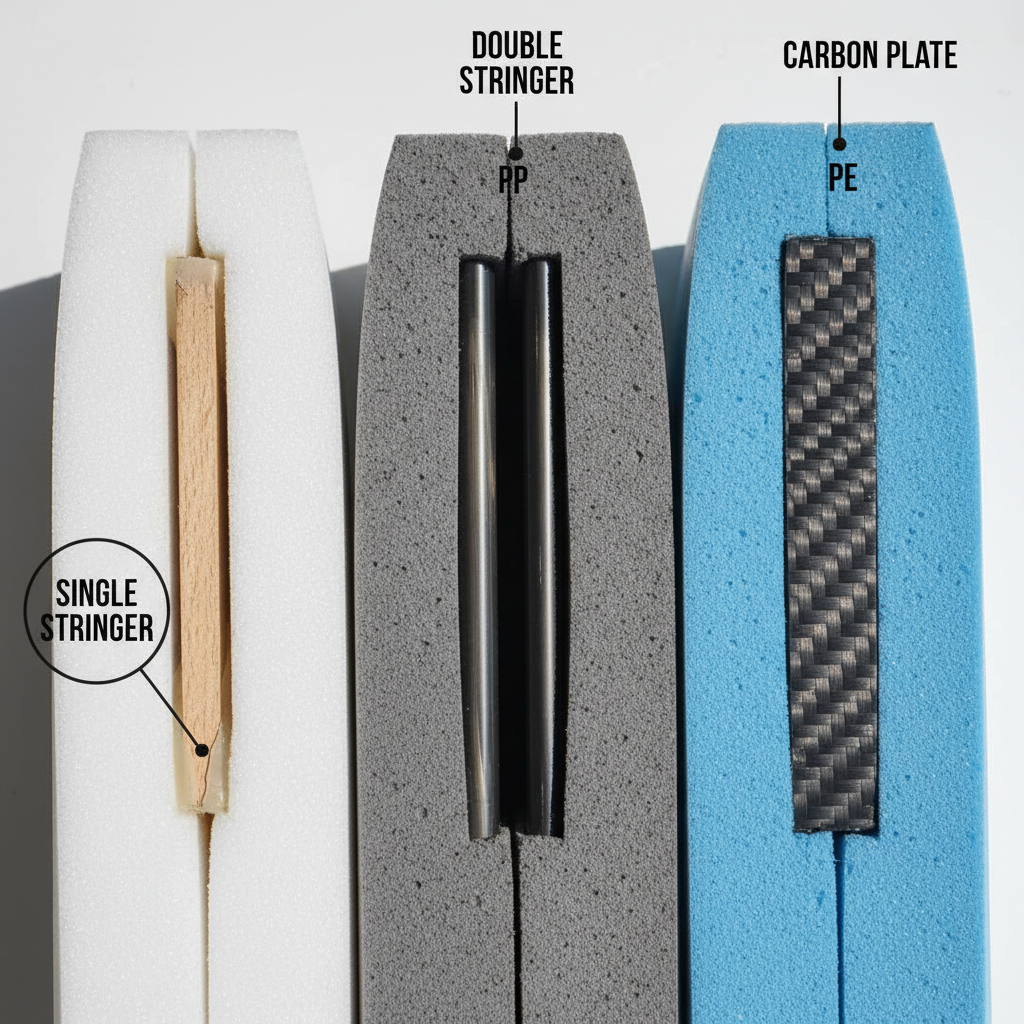
Stringers are composite rods inserted into the core to provide spinal strength and prevent the board from buckling under heavy pressure. They provide “recoil,” snapping the bodyboard back to its original rocker shape after a flex, which projects the rider forward with speed.
Why does this matter?
- Single Stringer: Balanced flex, standard for most conditions.
- Double Stringer: Maximum stiffness for heavy riders or dropknee.
- Mesh: Wire layer distributing tension across the skin.
Key Takeaway
Stringers are the skeleton of your board; without them, a foam core will eventually crease and lose its drive.
| Config | Stiffness | Recoil | Best For |
|---|---|---|---|
| Single | Medium | Good | All-Around |
| Double | High | Fast | Heavy Surf/DK |
| Mesh | Varies | Smooth | Durability |
A board with good recoil acts like a loaded spring, storing energy in the bottom turn and releasing it at the lip.
6. How does riding style influence your bodyboard shape?
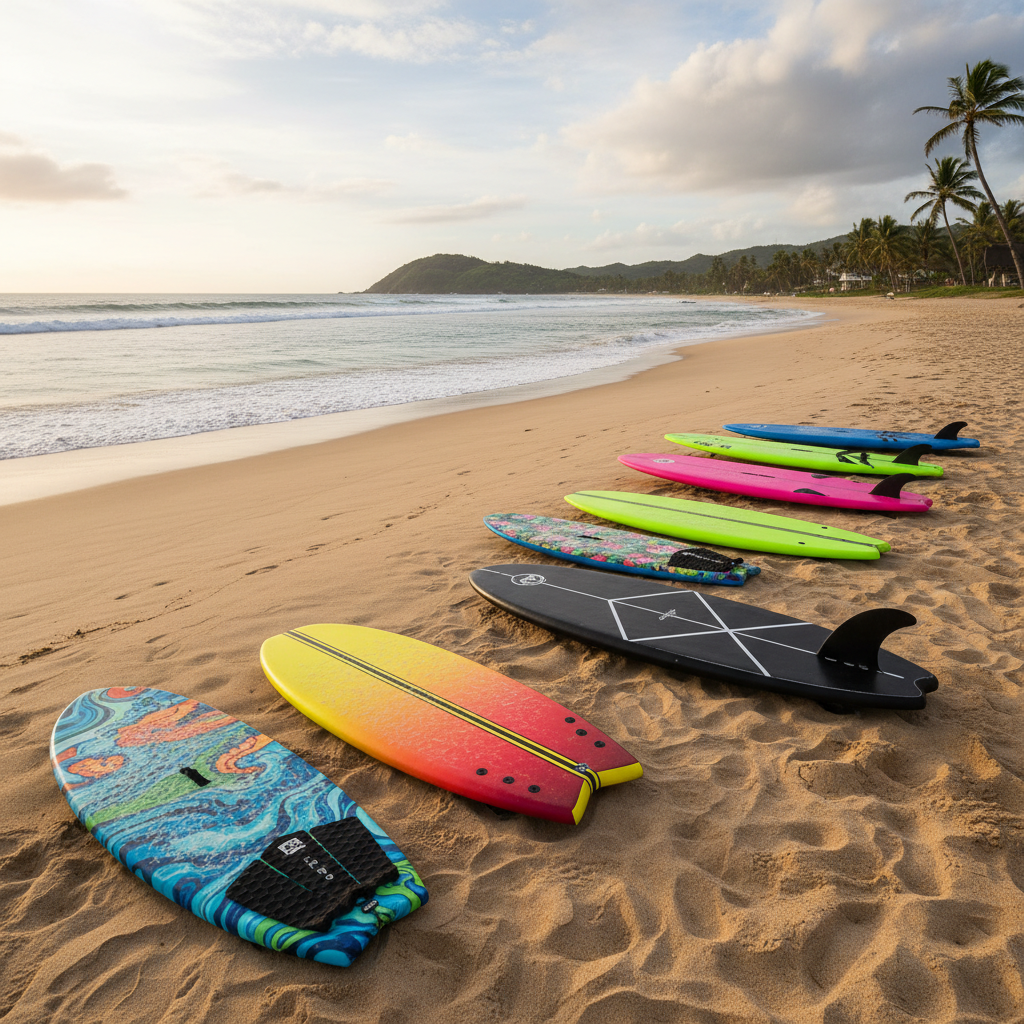
Your preferred stance—Prone, Dropknee, or Stand-up—dictates the template of the board, specifically the location of the wide point. Prone boards have the wide point further forward for chest support, while Dropknee shapes lower the wide point to distribute weight over the tail.
Let’s look at the facts.
- Prone: Wide nose, upper wide point for stability.
- Dropknee (DK): Narrow nose, lower wide point for turning leverage.
Key Takeaway
Using a prone template for dropknee riding makes turning difficult because the wide nose catches the water.
| Style | Wide Point | Nose Width | Tail Width |
|---|---|---|---|
| Prone | Upper 1/3 | Wide | Standard |
| Dropknee | Lower 1/2 | Narrow | Narrow |
| Versatile | Center | Medium | Standard |
Hybrid boards bridge the gap by centering the wide point, allowing for competent performance in both stances.
7. What role does the slick skin play on a bodyboard?
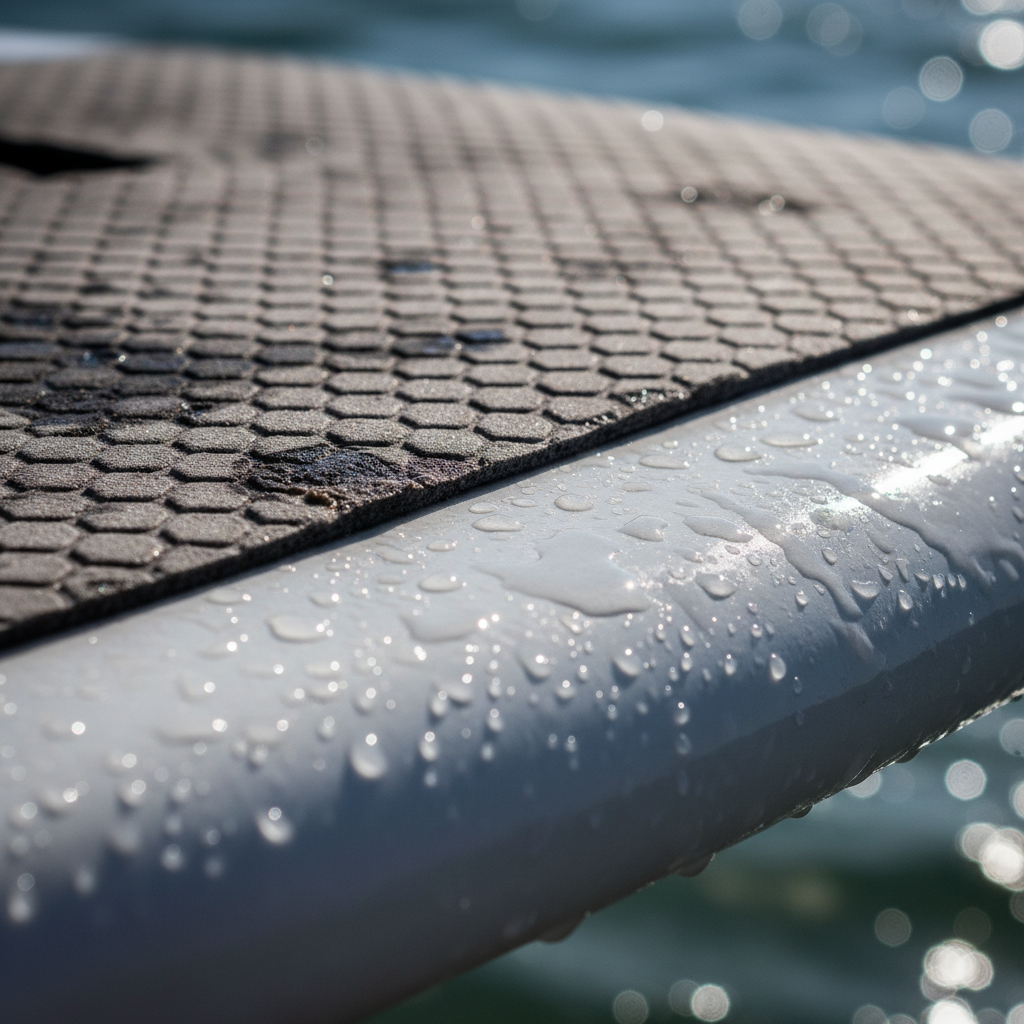
The slick is the bottom skin that contacts the water, reducing friction to generate acceleration and speed. Material quality determines how fast the board accelerates and how well it resists creases from wave impact, a common topic in reviews.
Here is the deal.
- HDPE: Softer, cheaper, good for entry-level.
- Surlyn: Elastic, golf-ball plastic, recovers from impact.
Key Takeaway
For serious riding, Surlyn slicks provide the necessary elasticity and projection that standard plastics cannot match.
| Material | Speed | Durability | Cost |
|---|---|---|---|
| HDPE | Good | Moderate | Low |
| Surlyn | Excellent | Very High | High |
Surlyn extends the life of the board significantly by absorbing shock waves rather than developing permanent stress marks.
8. Why is a bodyboard leash essential for safety?
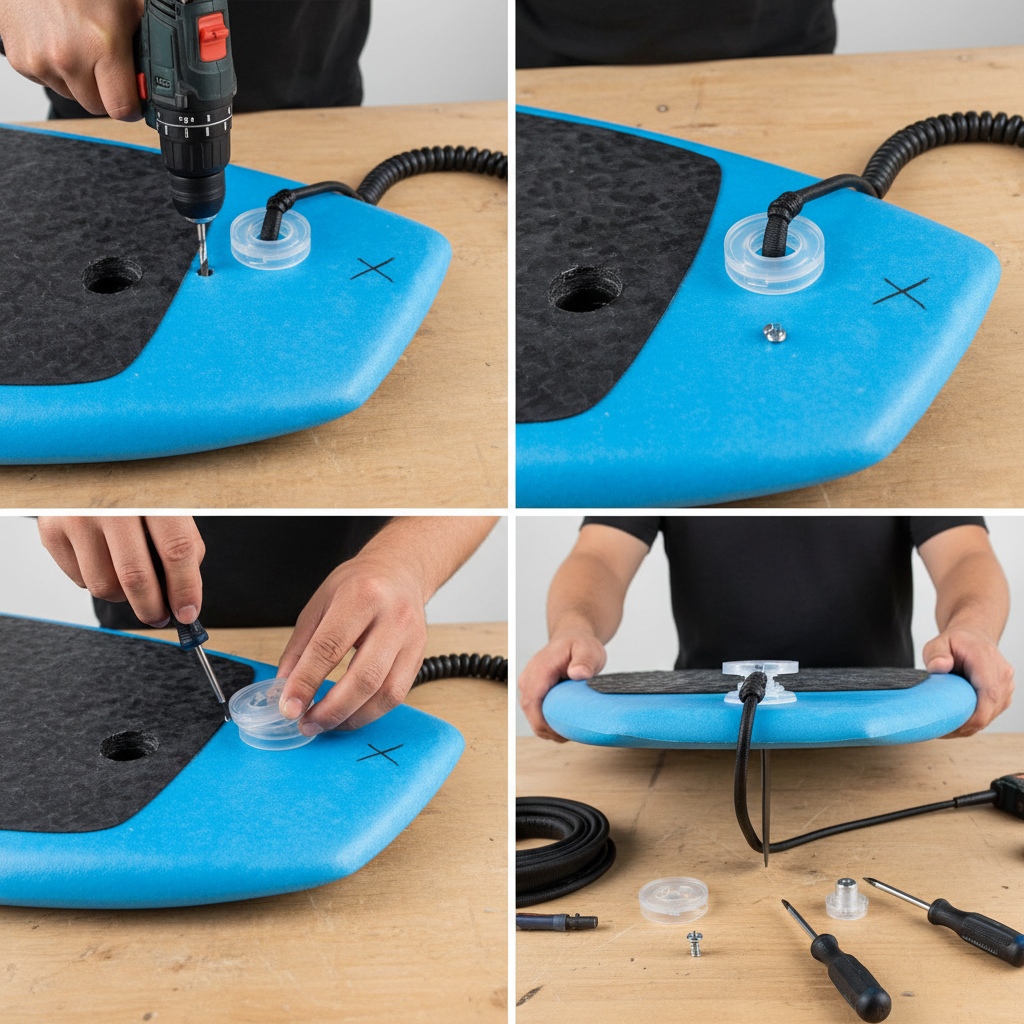
A leash is your primary safety connection to your flotation device, preventing you from swimming long distances in dangerous currents. Different styles like bicep or wrist attachments suit different riding styles, and proper leashes placement is vital for performance.
Don’t ignore this.
- Bicep Leash: Keeps hands free for paddling (Advanced).
- Wrist Leash: Easy to use but can drag (Beginner).
Key Takeaway
Install your leash plug carefully; a center placement is for prone, while an offset placement suits dropknee riders.
| Leash Type | Pros | Cons | User Level |
|---|---|---|---|
| Wrist | Secure | Drag | Beginner |
| Bicep | Freedom | Learning Curve | Advanced |
A coiled leash keeps the cord out of the water to minimize drag, while a straight cord is often used for massive waves to prevent spring-back.
9. How do rails and channels improve bodyboard control?
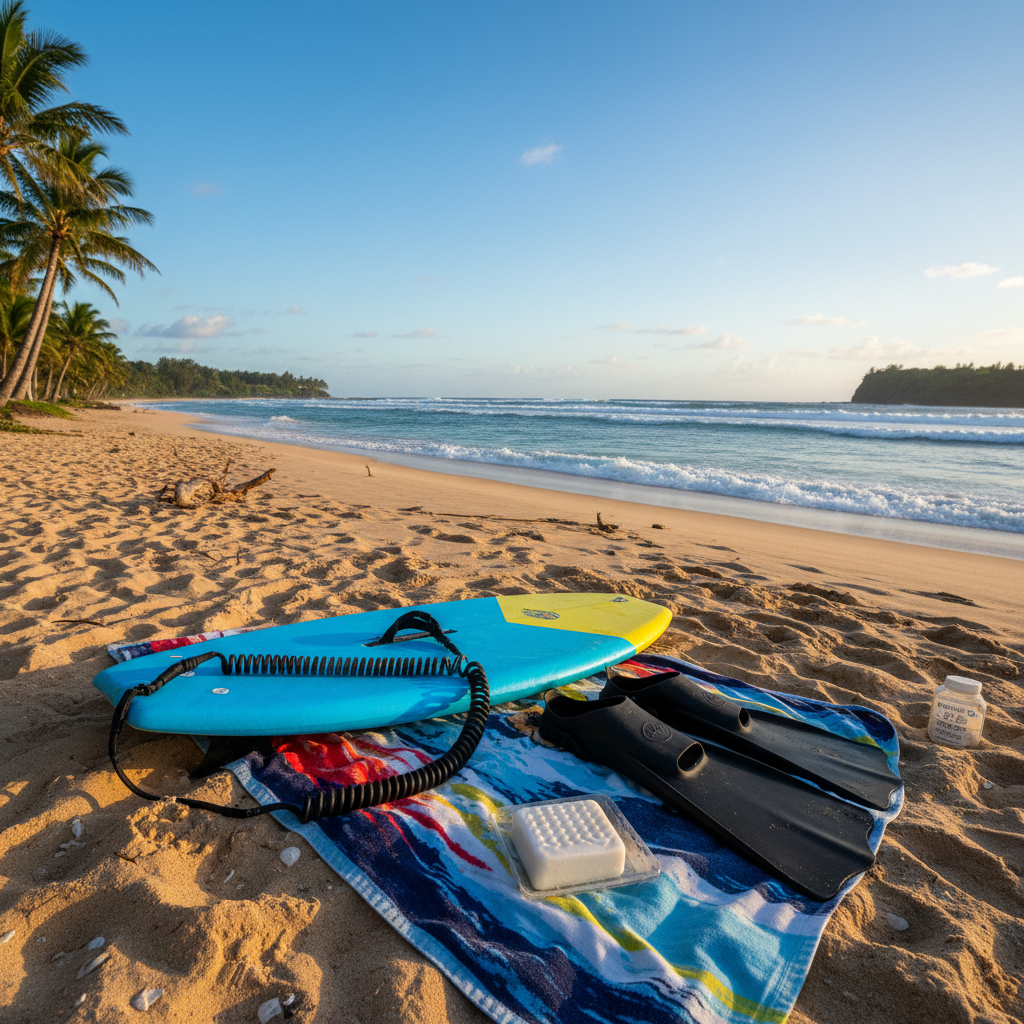
Rails act as the steering edge of the board, while channels direct water flow under the tail to provide hold and drive. The ratio of the rail angle changes how the bodyboard bites into the wave face, with 60/40 being the industry standard for hold.
Think about it.
- 60/40 Rails: More bottom rail for grip in steep waves.
- 50/50 Rails: Even split for speed and release.
- Channels: Act like fins to lock the tail in.
Key Takeaway
Sharp rails and deep channels equal more control; rounder rails and flat bottoms equal more speed but less grip.
| Feature | Design | Effect |
|---|---|---|
| Rails | 60/40 | High Grip |
| Rails | 50/50 | High Speed |
| Channels | Deep | Stability |
Deep channels utilize the Bernoulli principle to accelerate water flow under the tail, increasing forward thrust.
10. How does water temperature affect bodyboard flexibility?
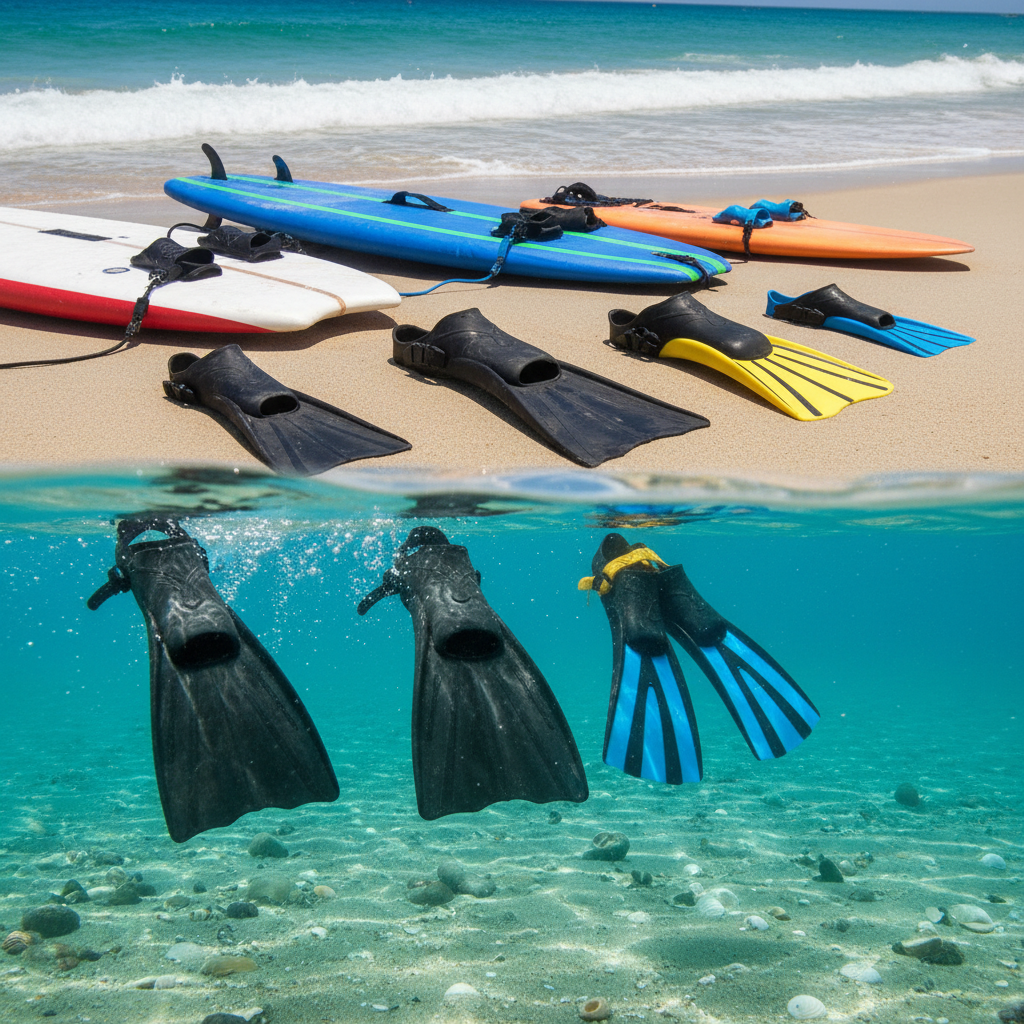
Temperature drastically alters foam density; cold water makes foam stiffer, while warm water makes it softer. Matching your core material to your local water temperature is vital for performance, just as you would choose the right fins for propulsion.
Here is the bottom line.
- Cold Water (<70°F): Use PE cores to maintain flexibility.
- Warm Water (>75°F): Use PP cores to prevent the board from becoming a noodle.
Key Takeaway
A board that is too stiff in cold water will feel harsh and unresponsive; a board that is too soft in warm water will allow no speed.
| Temp Range | Best Core | Board Feel |
|---|---|---|
| Cold | PE | Flex/Control |
| Warm | PP | Stiff/Fast |
| Variable | NRG | Balanced |
Modern low-density Polypro (NRG) cores bridge the gap, offering a single-board solution for variable seasonal temperatures.
Conclusion
Selecting the ultimate bodyboard requires balancing your physical size, skill level, and local wave conditions against the technical anatomy of the board. From the recoil of a PP core to the hold of a crescent tail, every detail impacts your ride. Don’t settle for a generic toy. Investing in a board with the right stringer configuration, slick material, and size will accelerate your progression and fun. The ocean is waiting—make sure your gear is up to the challenge.
Contact us today to find your perfect match.
FAQ
Q1: What is the difference between a boogie board and a bodyboard?
“Boogie Board” is a trademarked name by Morey, but the terms are often used interchangeably. However, “bodyboard” typically implies high-performance gear made from advanced materials like PP cores and Surlyn slicks, whereas “boogie board” often refers to entry-level foam boards.
Q2: How do I install a leash plug on my new bodyboard?
Locate the stringer first to avoid drilling into it (usually center or off-center). Measure 6-8 inches down from the nose, mark the spot, and drill a clean hole through the deck and slick using a screwdriver or drill bit, then screw the plug components tightly together.
Q3: Can I use a prone bodyboard for dropknee riding?
It is possible, but difficult. Prone boards have a wide nose and forward wide point, which can catch the water when you bring your leg up. A dropknee-specific or versatile “combo” board with a narrower nose makes the transition much easier.
Q4: How long does a bodyboard typically last?
A high-quality board with a PP core and Surlyn slick can last 3-5 years or more with proper care. Cheaper EPS boards may only last a season. Rinse with fresh water after use and never leave it in direct sunlight to prevent bubbling.
Q5: Do I need wax for my bodyboard?
Yes, bodyboard wax is essential for grip. Apply it to the deck where your hands grip the nose and rails, and along the sides where your elbows rest. This prevents you from slipping off during maneuvers or heavy landings.